
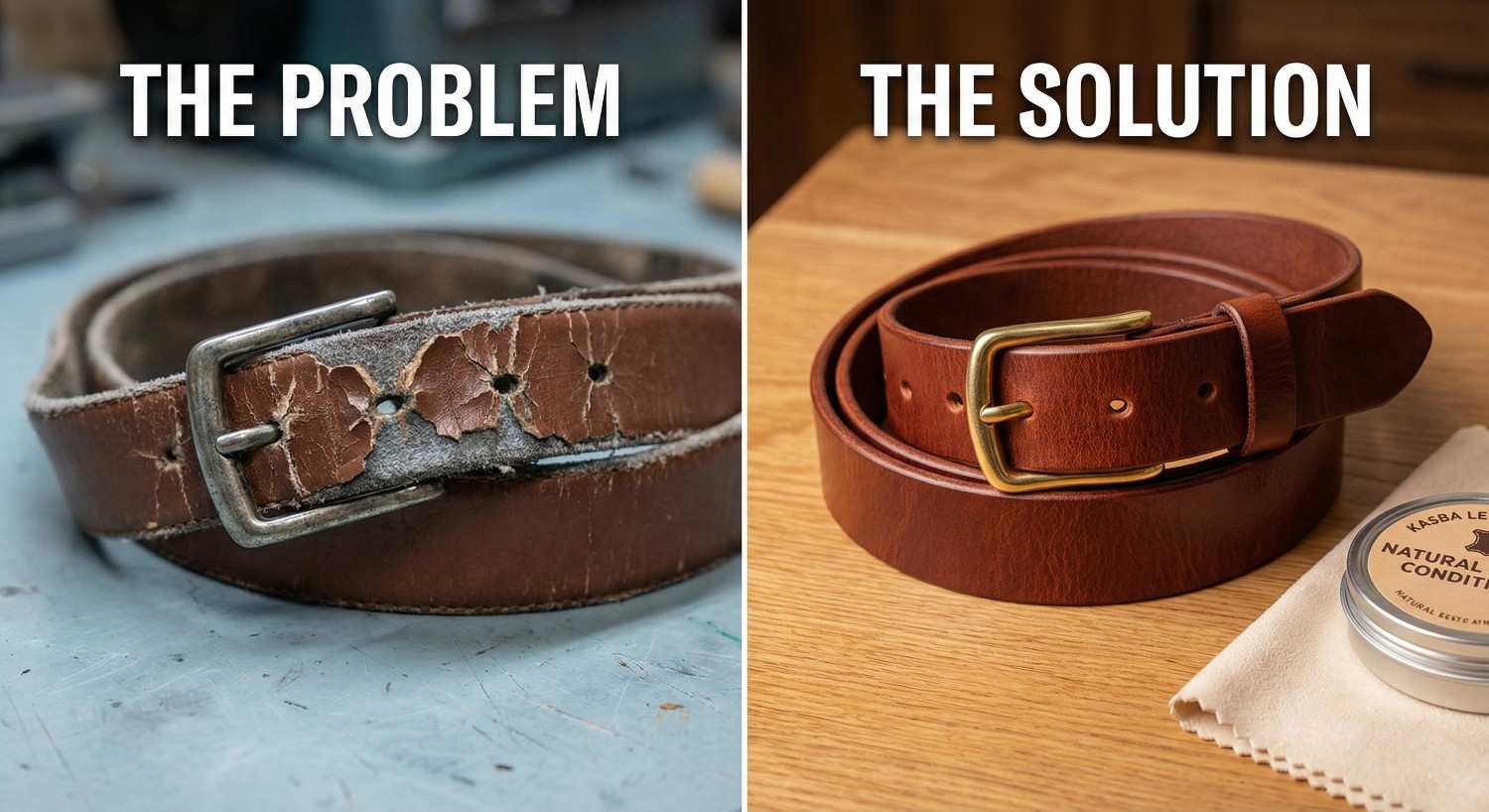
It’s a familiar, frustrating morning routine. You are getting dressed, you thread your belt through the loops, pull it snug, and then you see it.
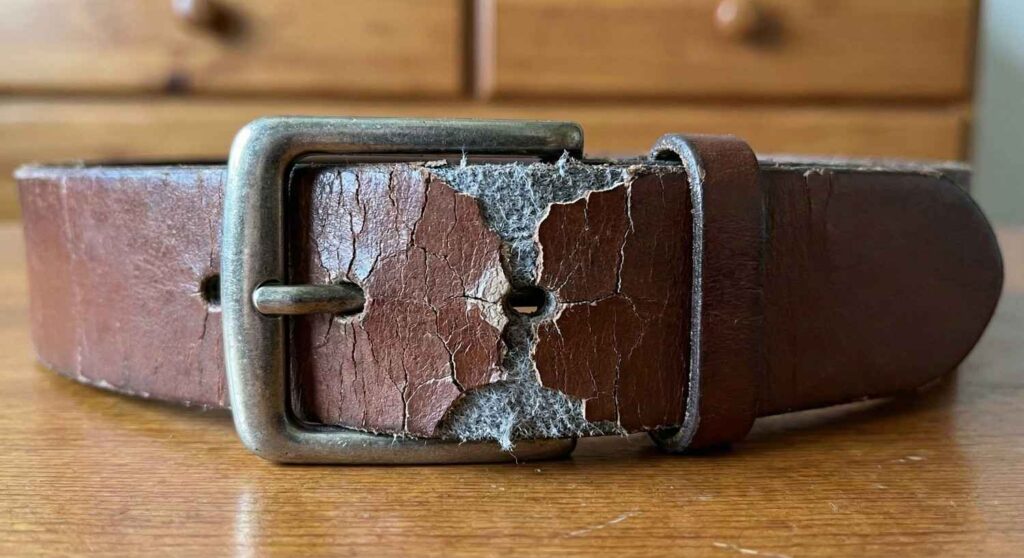
Right there, near the hole you use every single day, is a deep, ugly fissure across the surface of the “leather.” Sometimes it’s a clean crack exposing a fuzzy gray interior; sometimes it’s a web of spidervein fractures that shed tiny flakes onto your trousers.
You might wonder what you did wrong. Did you bend it too hard? Did you wear it too tight?
The truth is, the problem likely isn’t how you wore the belt. The problem is what the belt is made of.
At Kasba Leather, we believe a belt shouldn’t just hold up your pants; it should hold up to life. If you are tired of replacing your belt every year because it looks like a cracked desert landscape, it’s time to understand the science of why it happens—and the simple fix to stop it forever.
The Main Culprit: The “Genuine Leather” Lie
The single biggest reason belts crack is that they aren’t truly leather—at least, not in the way you think they are.
If you look at the back of a cracking belt, you will often see a stamp that says “Genuine Leather.” To the average consumer, this sounds reassuring. It sounds real.
In the leather industry, however, “Genuine Leather” is often a marketing term for the third-lowest grade of product. It is essentially the “plywood” or “particle board” of the leather world.
The Anatomy of a Cracking Belt
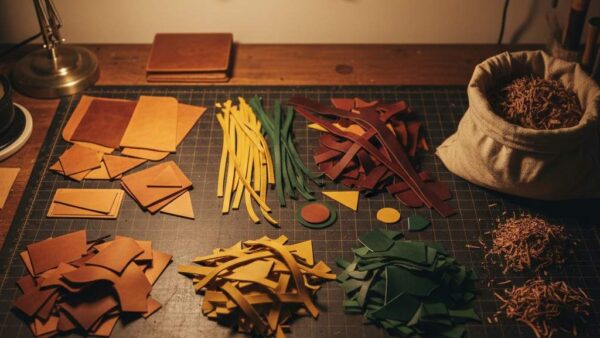
Cheap belts are typically made of Bonded Leather. Manufacturers take scraps, leftover fibers, and dust from tanneries, mix them with polyurethane glues, and press them into sheets.
Because this mixture looks like pressed cardboard, they have to give it a surface. They spray paint a synthetic, plastic-like coating over the top and stamp fake leather grain onto it to make it look like a solid hide.
Here is why it cracks: When you wear a belt, you wrap it around your waist and pull it tight, creating significant tension and bending at the buckle holes.
Real skin is fibrous and elastic; it wants to bend. Hardened glue and plastic paint do not want to bend.
After a few months of repetitive flexing at the same spot, that top plastic layer fatigues and snaps. The crack reveals the ugly, fuzzy bonded material underneath. Once that surface is broken, the belt is finished. There is no repairing it.
The Solution: The Resilience of Full-Grain Leather
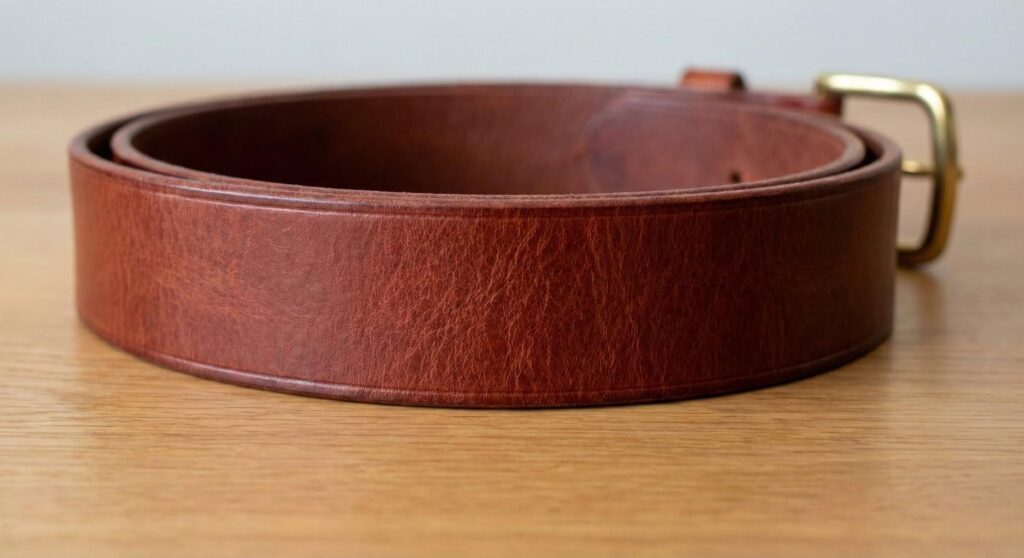
If you want a belt that never cracks, you have to change the material. You need Full-Grain Leather.
Full-grain leather is the top layer of the hide. It has not been sanded down or corrected. It contains all the natural, densely packed fibers of the animal skin.
When you bend a full-grain leather belt from Kasba Leather, you aren’t bending glue and plastic; you are flexing natural fibers that are designed by nature to stretch and move.
Patina vs. Cracking
Instead of cracking under pressure, full-grain leather reacts to daily wear by softening. The oils from your hands and the friction of wear cause the leather to develop a patina—a rich, glossy sheen and darkening that makes the belt look better the older it gets.
A high-quality full-grain belt won’t just last for three years; it can last for thirty.
3 Ways to Ensure Your Belt Lasts a Lifetime
While buying full-grain leather is 90% of the battle, leather is still a natural skin that needs a little attention to perform its best.
If you have invested in a good quality belt, here is how to ensure it never dries out.
1. The bi-Annual Condition
Just like your own skin cracks when it gets dry in the winter, leather fibers can become brittle if they completely lose their natural oils over many years.
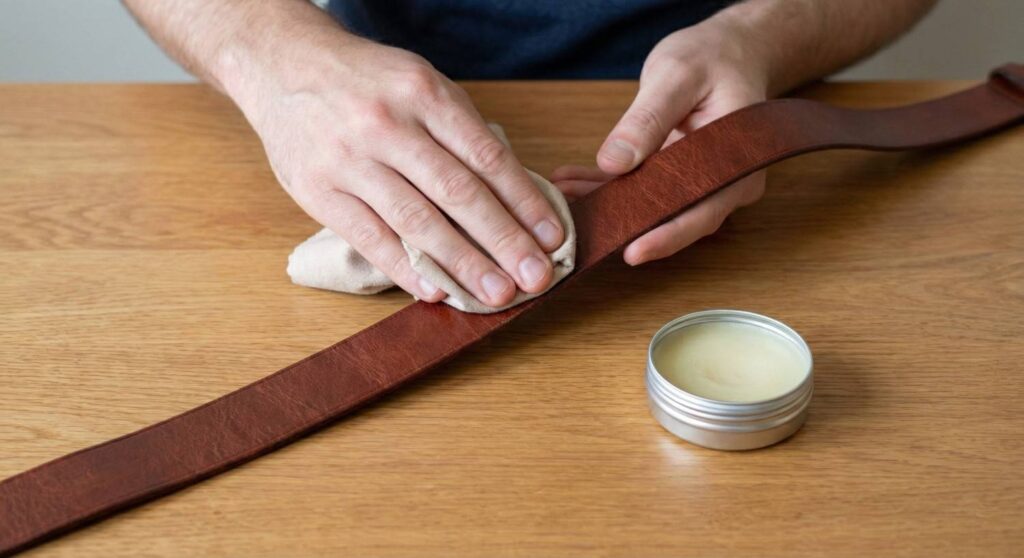
Every 6 to 12 months, take five minutes to care for your belt. Wipe it down with a damp cloth to remove dirt, let it dry, and then rub in a high-quality, natural leather conditioner or balm. This replenishes the oils and keeps the fibers supple, ensuring they can bend without breaking.
2. The Right Size Matters
If you are wearing a belt that is two sizes too small, you are putting immense, sustained pressure on the leather at a sharp angle where the buckle prong enters the hole. Even great leather has its limits. Ensure you are buying the correct size so the belt rests comfortably in the center hole without extreme straining.
3. The Rotation
If you wear the exact same pair of leather shoes every single day, they wear out faster because they never have a chance to dry out from foot perspiration. The same applies to belts.
If you wear a belt every day, it absorbs sweat and body oils. Having two belts that you rotate gives the leather a chance to “rest” and breathe between wears, extending its life significantly.
Stop Buying Disposables
A cracking belt is a sign of a disposable product. It’s engineered to fail so you have to buy another one next year.
The fix is simple: stop buying belts made of glue and plastic.
At Kasba Leather, our belts are crafted from thick, single pieces of full-grain leather. We don’t use fillers, and we don’t spray plastic coatings on our work. We build them to be the last belt you ever need to buy—though you might want a second one just for the color options.
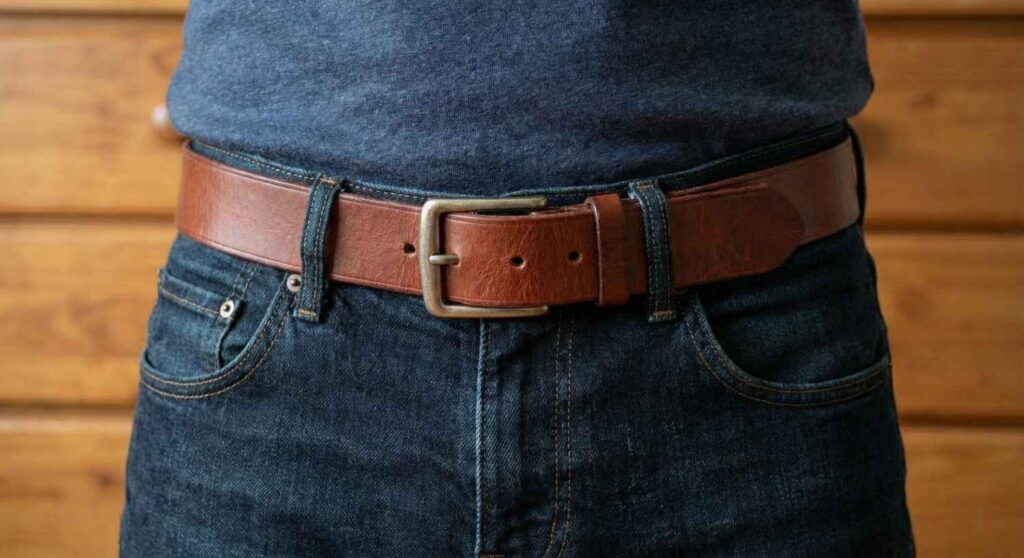
Are you ready to upgrade to a belt that gets better with age? [Shop the Kasba Leather Men’s Belt Collection here].

Leave a comment